Build automation that survives the handoff
The first version of an automation is usually built for the person creating it. The inputs are familiar, the edge cases are still in memory, and failures are easy to diagnose because the builder knows where every assumption lives.
The handoff changes the standard.
A workflow becomes part of an operating system only when someone else can understand what it does, recognize whether it succeeded, and recover when it fails.
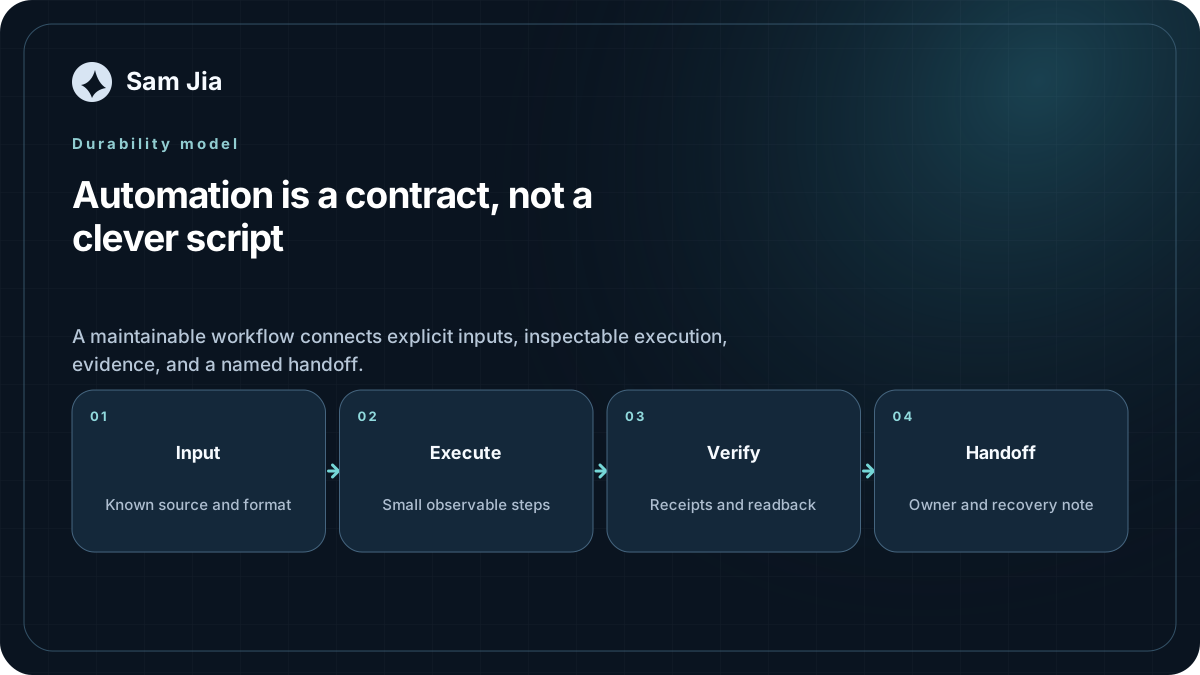
Define the input contract
Document what the workflow expects before describing how it works.
State the source, required fields, timezone, freshness requirement, and acceptable missing values. If the workflow depends on a browser session, local directory, API permission, or naming convention, make that dependency explicit.
Most “automation failures” begin as undocumented input changes.
GitLab’s handbook-first operating model is a useful reference: put durable context in the shared record so teammates can find the answer without reconstructing it from private conversations.
Separate execution from evidence
Starting a process is not the same as completing the outcome.
A durable workflow records a final receipt: a returned identifier, a readback, an output file, a verified row count, or another signal that confirms the intended destination received the result.
This distinction prevents a common operational mistake: reporting success because a job started without verifying what happened afterward.
Workflow tools should make that distinction inspectable. For example, n8n’s execution history exposes run status and prior execution data so an operator can verify and retry a specific run instead of relying on an optimistic notification.
Make uncertainty visible
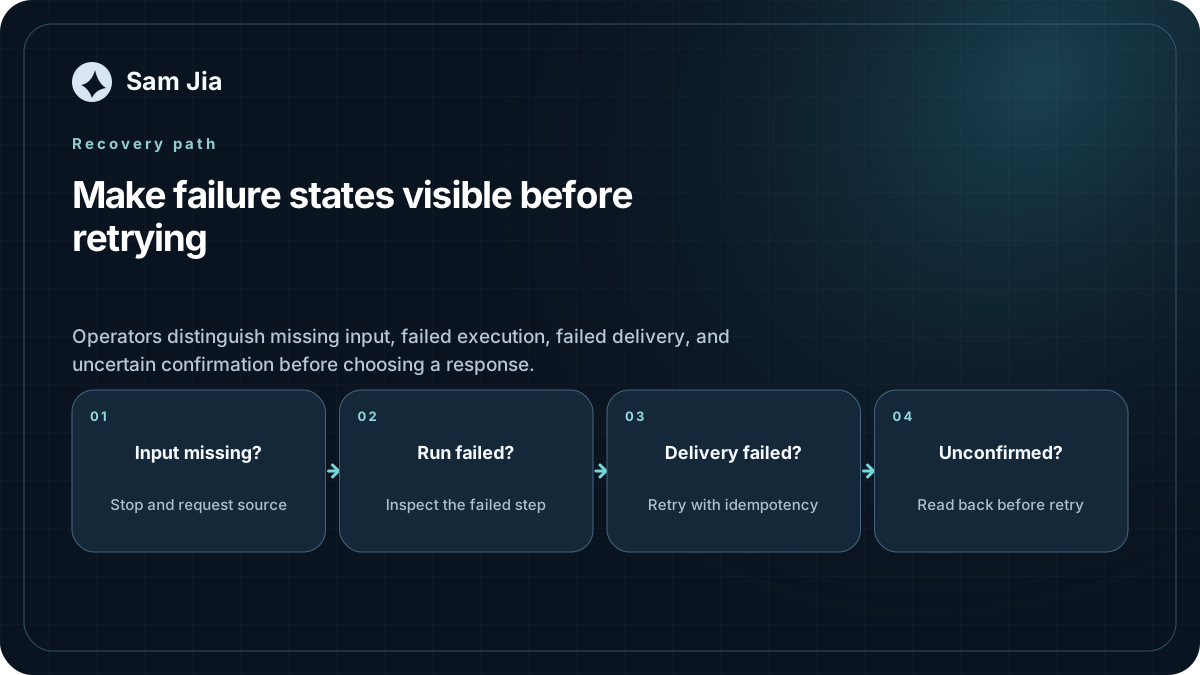
Failures should not collapse into a generic error. Distinguish unavailable data, conflicting sources, authentication problems, delivery failures, and scheduler failures.
The wording matters because each state implies a different next action. Clear failure language makes recovery faster and prevents an operator from “repairing” the wrong layer.
This is observability, not just logging. The OpenTelemetry observability primer explains how traces, metrics, and logs work together to show what happened across a system, while its logging guidance shows why structured records are easier to correlate than unstructured production text.
Keep the moving parts small
Every extra model, integration, and transformation adds another place for meaning to drift. Prefer a short chain with explicit checkpoints over a complex chain that is difficult to inspect.
The best automation is not the one with the most steps. It is the one whose behavior remains predictable when the environment changes.
Leave a handoff note
A useful handoff note answers five questions:
- What outcome does this workflow own?
- What triggers it?
- What proves success?
- Where does it fail most often?
- What should the next operator never assume?
That note turns individual memory into organizational leverage.
Notion’s guidance on database templates is useful for making the handoff structure repeatable: prefill the required fields so the next operator does not have to remember the contract from scratch.
Automation is durable when it remains understandable after the original builder steps away. That is the difference between a clever script and an operating system.
Related reading
Continue the operating conversation
Get occasional notes on crypto operations, AI workflows, and growth systems. No spam. Unsubscribe anytime. Usually fewer than two emails per month.